Professional Procurement and Technical Guide
Construction chemical products are engineered for concrete, waterproofing, repair, bonding, grouting, flooring, and structural building applications.
Selecting the right formulation requires matching the product to the substrate, application method, performance parameters, environmental conditions, and project specifications. For industrial and commercial procurement, the optimal choice is not the product with the broadest marketing claims, but the formulation that fits the intended building system and includes the necessary technical documentation for the target market.
-
![Hydroxypropyl Methylcellulose]() Hydroxypropyl MethylcelluloseHydroxypropyl Methylcellulose (HPMC) is a non-ionic cellulose ether featuring outstanding stability,view more
compatibility and environmental friendliness. It presents as a white or off-white powder. -
![Hydroxypropyl Methylcellulose HPMC]() Hydroxypropyl Methylcellulose HPMCHydroxypropyl Methylcellulose (HPMC) is a non-ionic cellulose ether featuring outstanding stability, compatibility and environmental friendliness. It presents as a white or off-white powder.view more
-
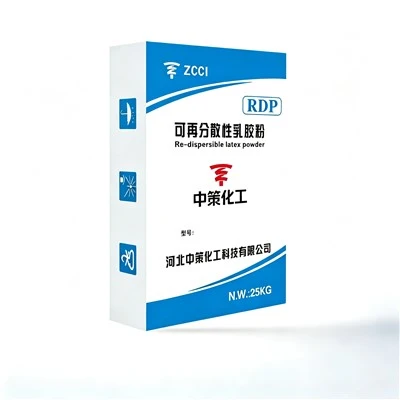
![Redispersible Polymer Powder RDP]() Redispersible Polymer Powder RDPRedispersible Polymer Powder (RDP) is a latex powder based on vinyl acetate and vinyl polymers, available in flexible, rigid and neutral grades. It appears as a water-soluble white or beige powder...view more
-
![Polypropylene Fiber PP Fiber]() Polypropylene Fiber PP FiberPolypropylene Fiber (PP Fiber) is a kind of high strength bundle monofilament fiber spun from polypropylene as raw material, also known as crack resistant fiber. It is a thermoplastic polymer.view more
-
![Hydroxyethyl Cellulose HEC]() Hydroxyethyl Cellulose HECHydroxyethyl Cellulose (HEC) is a non-ionic water-soluble polymer made from cellulose (cotton linter or refined pulp) by chemical modification. It appears as a white or off-white powder, stable in...view more
-
![Methyl Hydroxyethyl Cellulose MHEC/HEMC]() Methyl Hydroxyethyl Cellulose MHEC/HEMCMethyl Hydroxyethyl Cellulose (MHEC) is a cellulose ether made by chemical modification. It is soluble in both hot and cold water and appears as a white powder.view more
-
![Polycarboxylate Superplasticizer PCE]() Polycarboxylate Superplasticizer PCEPolycarboxylate Superplasticizer(PCE) is a high-performance concrete water reducer and cement dispersant for concrete applications. It is produced through polymerization of polycarboxylate acid...view more
-
![Hydroxypropyl Starch Ether HPS]() Hydroxypropyl Starch Ether HPSHydroxypropyl Starch Ether (HPS) is a chemically modified starch produced through etherification reaction between starch and propylene oxide. It appears as a white (colorless) powder with good...view more
-
![Polyvinyl Alcohol PVA]() Polyvinyl Alcohol PVAPolyvinyl Alcohol (PVA) is a high-molecular compound produced by polymerization of vinyl alcohol monomers. It is a widely used water-soluble polymer with properties between plastic and rubber. It...view more


Core Construction Chemical Product Categories

Concrete Admixtures: Modify fresh or hardened concrete properties for ready-mix, precast, and infrastructure projects.
Concrete Repair Materials: Restore damaged or deteriorated concrete through structural repair, spalling repair, and general maintenance.
Waterproofing Chemicals: Reduce water penetration and protect subterranean or exposed elements in basements, roofs, wet areas, and tunnels.
Tile Adhesives and Grouts: Bond and finish tile installations across walls, floors, and commercial spaces.
Construction Adhesives: Secure compatible building components, panels, and general installations.
Sealants: Seal joints, movement gaps, and building envelopes.
Grouting Materials: Fill gaps and transfer loads for equipment bases, foundations, and heavy structural applications.
Flooring Systems: Protect or finish concrete and industrial floor substrates in workshops and warehouses.
Concrete Surface Treatments: Provide dust control, surface hardening, and routine maintenance.
Protective Coatings: Shield concrete, metal, and industrial structures from environmental or chemical exposure.

How to Select Construction Chemicals
To minimize specification errors, products should be selected from the application backward rather than by brand or trade name alone.
Identify the Substrate
Common substrates include concrete, reinforced concrete, cement mortar, masonry, ceramic and porcelain tile, metal, wood, mineral substrates, and existing coated surfaces. Substrate condition is critical—new, aged, cracked, damp, or contaminated surfaces require tailored treatment systems.
Verify Technical Performance
Compare relevant performance metrics based on the project specification, such as adhesion strength, compressive strength, flexural strength, water resistance, chemical resistance, working time, cure time, shrinkage control, and crack-bridging capability.
Define the Application
Specify the core function required: bond, seal, waterproof, repair, protect, level, anchor, fill, strengthen, modify concrete performance, or finish a floor surface.
Define Site Conditions
Confirm environmental parameters including indoor/outdoor use, wet/dry exposure, temperature ranges, chemical exposure, traffic levels, UV exposure, freeze-thaw cycles, and static or dynamic movement.
Technical Information for Industrial Procurement
Engineering and procurement teams require a complete technical and commercial package prior to product approval.
Product Documentation:
Technical Data Sheets (TDS), Safety Data Sheets (SDS), Certificates of Analysis (COA), test reports, application instructions, and regulatory compliance documents.
Packaging & Logistics:
Net weight/volume, packaging material (bags, pails, drums, cartridges), pallet dimensions, container loading quantities, batch identification, and shelf-life tracking.
Manufacturing and Quality Controls:
Formulation consistency, raw material inspection, batch weighing, controlled mixing, in-process inspection, and finished-product testing to ensure repeat-order reliability.

For Importers and Distributors: Focus on stable supply chains, comprehensive product ranges, flexible packaging, target-market compliance, minimum order quantities (MOQ), and private-label/OEM capabilities.
For Contractors: Focus on ease of application, open time, cure time, substrate compatibility, coverage rates, and reliable field technical support.
For Project Procurement: Require formal specification reviews, TDS/SDS evaluations, independent lab testing, sample approvals, and strict commercial compliance.
FAQ
We're well-known as one of the leading construction chemicals suppliers in China, featured by quality products and good price. Please feel free to wholesale bulk construction chemicals for sale here from our factory. For more information, contact us now.
Industrial Grade RDP, White Powder PCE, Construction Additives RDP